News / Spedify
From Rjukan to Askim: how Spedify expanded its warehouse operations
Spedify ·
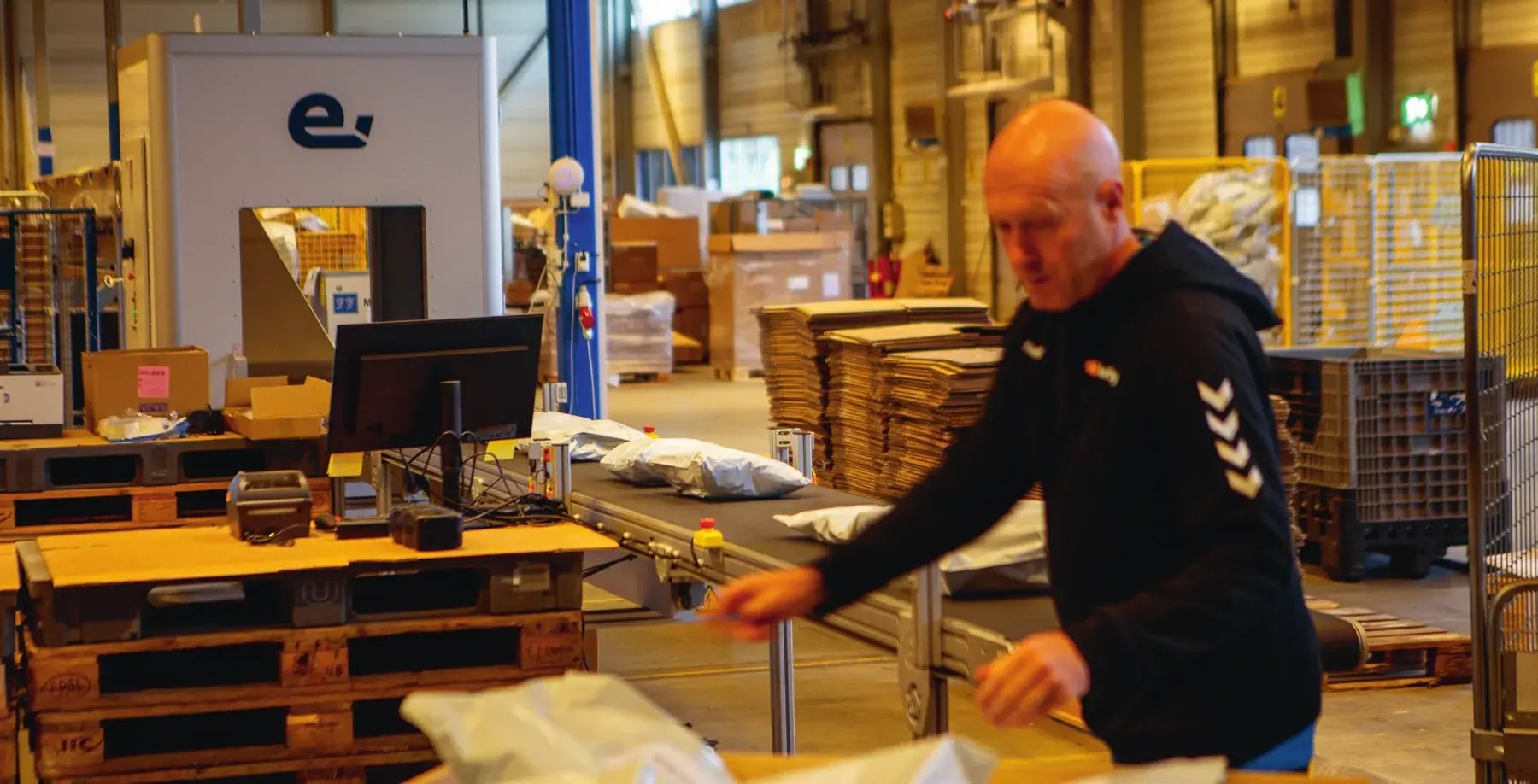
Spedify's move into Askim was an expansion of an established business with years of warehousing experience in Rjukan. In late 2023, we took over the former Gresvig distribution centre, a 26,000-square-metre facility. The building was empty, but we brought an existing operation, experience and a working model with us.
Logistikk Inside visited Askim to see how we have built on that experience: additional capacity, automation and dedicated setups for customers with different requirements.
From established operations in Rjukan to more capacity in Askim
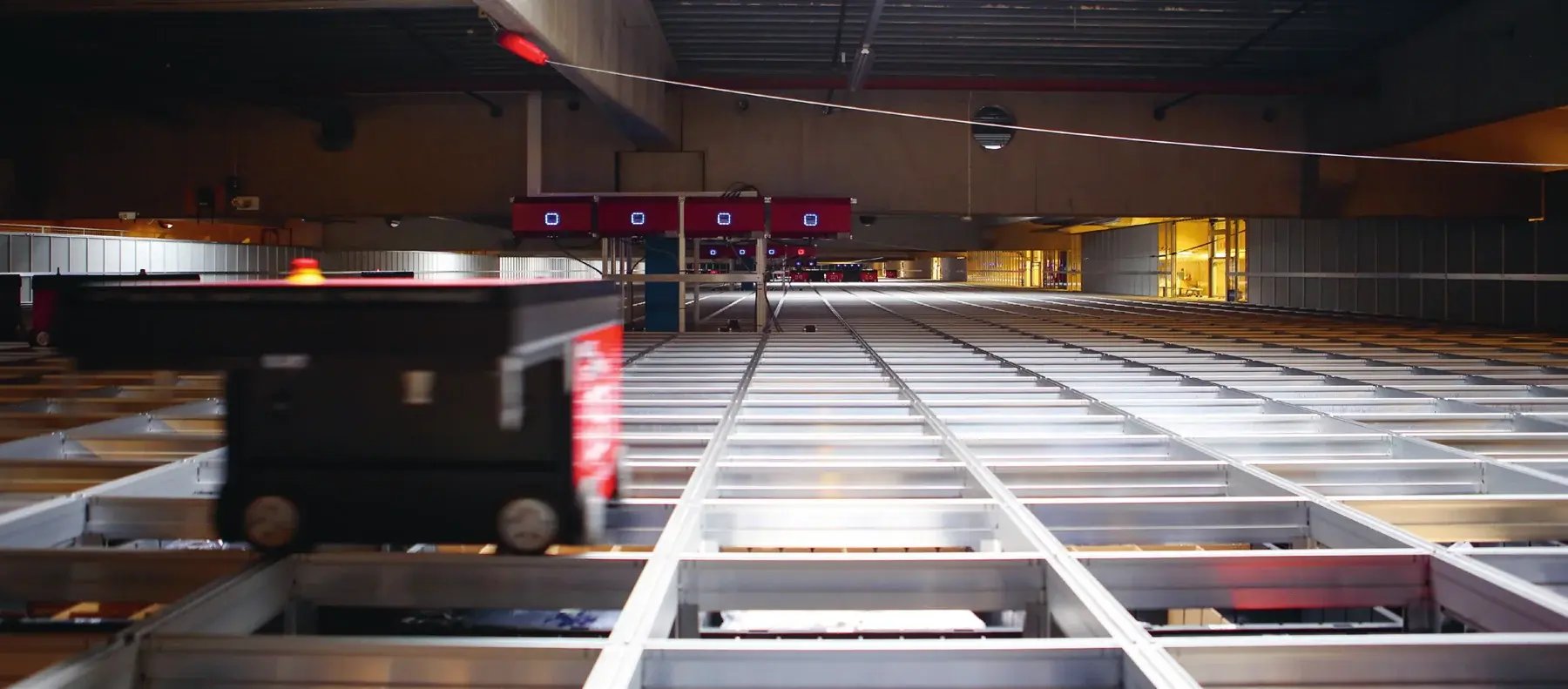
In Rjukan, we developed our warehouse operations and installed our first AutoStore system. Capacity intended to last five years was filled within eighteen months. We needed room to expand, rather than to start again.
Askim provided that next step. With AssistCo and Centennial as owners, Spedify continued developing its operations across two locations. Rjukan remained part of the business, while the former Gresvig facility created capacity for additional and larger customer operations.
An operation built around each customer
In Askim, automation works alongside hands-on warehouse services. AutoStore is one part of the setup. Other products need pallet storage, manual handling or preparation before delivery.
“We build an operation around each customer and what that customer actually needs.”
Stian Mårdalen, CEO of Spedify, speaking to Logistikk Inside. Translated from Norwegian.
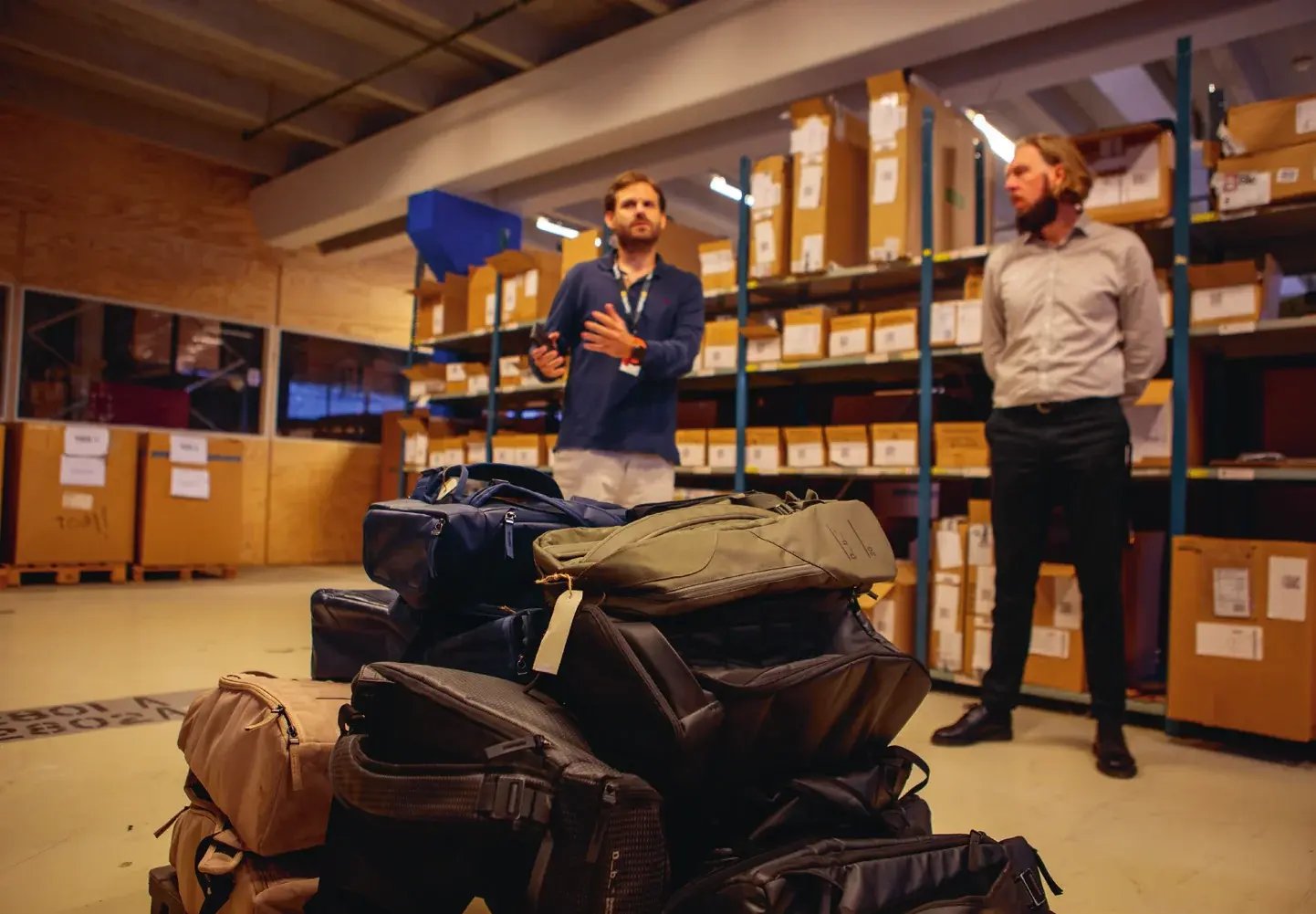
The article describes specific examples: DBS bicycles are prepared before delivery, Hageglede requires handling of living plants, and used DB Journey backpacks are repaired for resale through the customer's trade-in programme.
Customer teams, systems and hands-on warehouse work
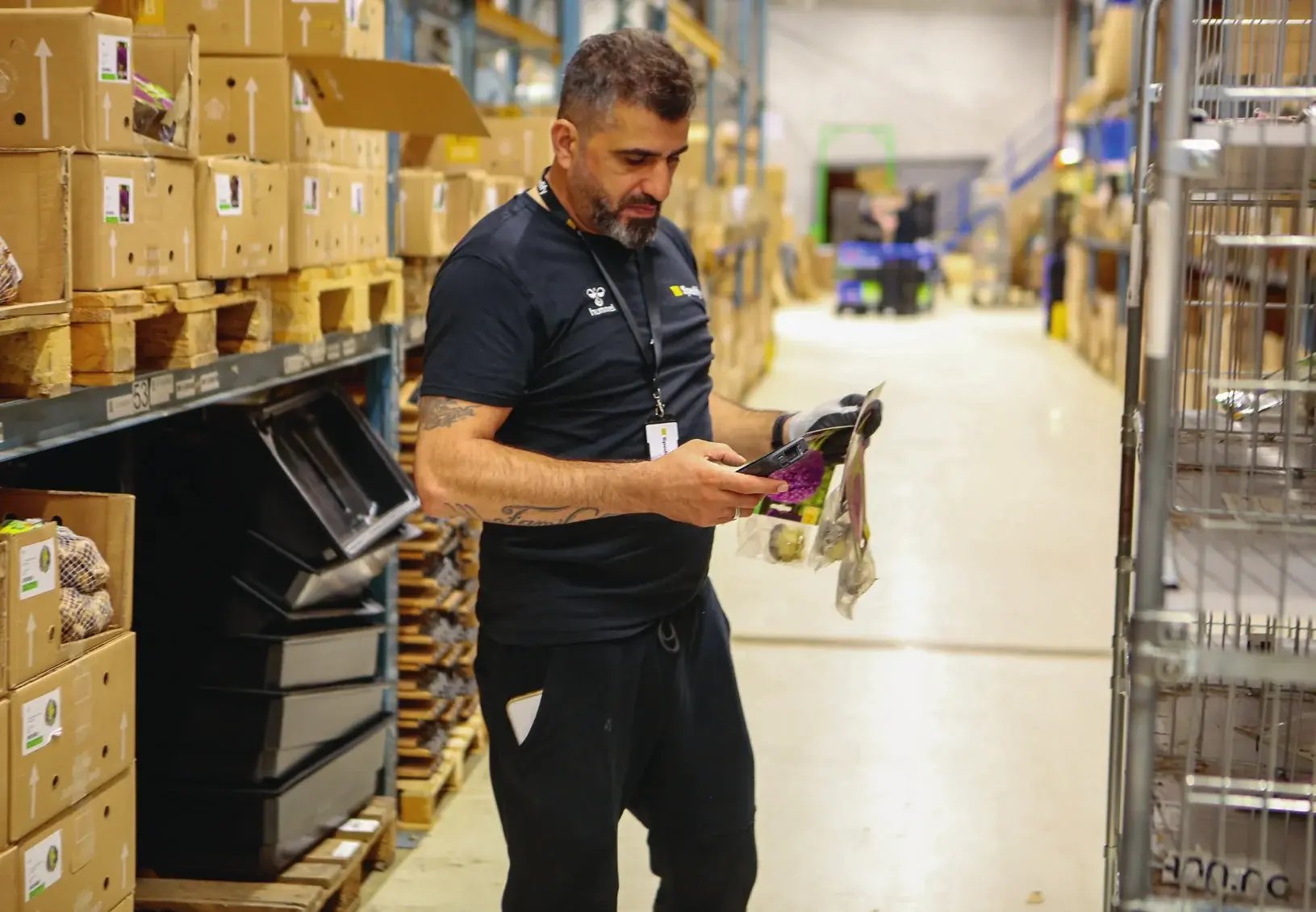
Team leaders look after their assigned customers, while staff and technology can be shared across operations as seasonal demand changes. Ongoing WMS sits at the centre of warehouse management, integrated with AutoStore and Spedify's own applications.
Growth built on reliable operations
In Logistikk Inside's autumn 2026 report, Askim handled goods for 45–50 customers, with around 55 per cent of its floor area in use. GANT Norway is among the customers that have chosen the site. Spedify's focus is on making each customer operation work and using available capacity well.
“We are uncompromising about getting the operational side working first.”
Stian Mårdalen, speaking to Logistikk Inside. Translated from Norwegian.
Across Askim and Rjukan, Spedify handled goods for around 70 customers at the time of the report. These figures describe the position in autumn 2026.
Source: article by Øyvind Ludt in Logistikk Inside / Tidsskriftet Logistikk. Read the original article (Norwegian).
Photography: Øyvind Ludt. Used with permission.